
🎧 Listen to this article: हिंदी · English · தமிழ் · తెలుగు · ಕನ್ನಡ · മലയാളം · ଓଡ଼ିଆ · 日本語 · 中文
🌍 Read this in your language: हिंदी · தமிழ் · తెలుగు · ಕನ್ನಡ · മലയാളം · ଓଡ଼ିଆ · 日本語 · 中文
In today's digital world, managing user accounts is crucial for security. With increasing reports of account compromises, knowing the right steps can protect users and maintain trust in your system.
Immediate Actions vs. Deferred Actions
When a user requests to shut down their account or if there’s a security incident, it’s essential to differentiate between what actions need to be taken immediately and what can wait.
Immediate Action: Revoking Sessions
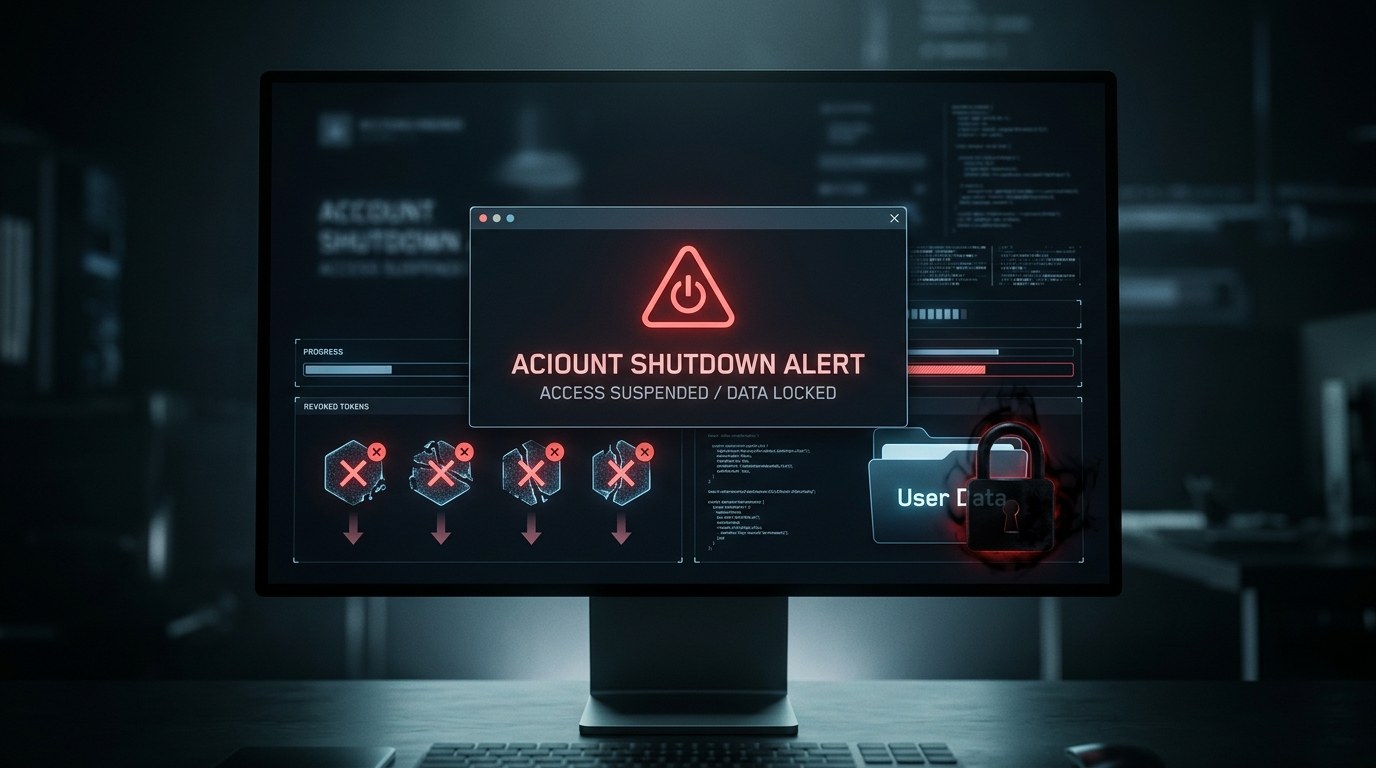
If a refresh token is stolen, this poses an immediate threat. The first step is to revoke all sessions associated with the compromised account. This action prevents unauthorized access and mitigates potential abuse. It’s crucial to act quickly in these situations to protect user data.
Deferred Action: Account Deletion
On the other hand, account deletion requests are treated differently. These should be seen as data-lifecycle events. This means there should be a recovery window. By allowing time for audits and investigations, you ensure that all necessary steps are taken before permanently deleting any account data.
Maintaining a Stable User ID
A stable user ID is vital for tracking and auditing purposes. While other identifiers like email addresses can change, the user ID should remain constant. This consistency helps in maintaining accurate records and facilitates any necessary investigations.
Profile State Management
Before taking any destructive actions, it’s important to mark the user’s profile state. This serves as a safeguard, ensuring that any unintended consequences can be traced and addressed. By managing the profile state effectively, you can prevent confusion and ensure clarity in the shutdown process.
Steps for Account Shutdown
Here’s a simple outline of steps to follow for handling account shutdowns effectively:
Step 1: Revoke All Sessions
- Upon detecting a stolen refresh token, revoke all active sessions for the user. This is an immediate action to stop unauthorized access.
Step 2: Mark Profile State
- Change the user’s profile state to non-active. This action restricts new privileged actions and prepares the account for eventual deletion.
Step 3: Delete Account After Recovery
- Only after all recovery and audit requirements are satisfied should you proceed with account deletion. This ensures compliance with data retention policies and provides a clear audit trail.
Conclusion
Managing account shutdowns involves a careful balance between immediate actions and those that can wait. By understanding the importance of revoking sessions and marking profile states, you can protect user data and maintain system integrity.
Merits
- Enhanced Security: Immediate session revocation prevents unauthorized access.
- Clear Audit Trail: Maintaining a stable user ID aids in tracking and auditing.
- Compliance: Following a structured process ensures adherence to data retention policies.
Demerits
- Complexity: Managing multiple states and actions can complicate the process.
- Time-Consuming: The need for audits may delay the deletion of accounts.
Caution
This article is for educational purposes. Always replace placeholder values with actual data in practice. Verify any claims against the original source before relying on them.
Frequently asked questions
- What is token revocation? — Token revocation is the process of invalidating access tokens to prevent unauthorized access.
- Why is a stable user ID important? — A stable user ID helps in tracking user actions and maintaining accurate records.
- What should I do if a refresh token is stolen? — Immediately revoke all sessions associated with the compromised account to prevent unauthorized access.
- What is a data-lifecycle event? — A data-lifecycle event refers to actions taken regarding data management, including retention and deletion.
- How do I mark a profile state? — You can mark a profile state by changing its status in your user management system to indicate it is no longer active.
- Why is compliance important in account deletion? — Compliance ensures that you follow legal and regulatory requirements regarding data retention and user privacy.
Tags
#nodejs #accountshutdown #security #datamanagement #userprivacy #tokenrevocation #cybersecurity #accountdeletion #userdata #auditing
Prompt-Injection Defense Checklist
The controls that actually reduce the blast radius when your app feeds untrusted text to an LLM. Enter your email — you'll get the PDF instantly, plus new posts on AI, security & Linux.
Free. No spam — unsubscribe in one click.
Responses
Sign in to leave a response.